
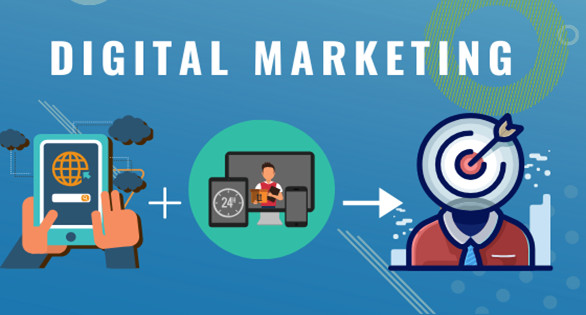
For small to medium-sized enterprises (SMEs), especially those in the trades, construction, manufacturing, and professional services sectors, digital transformation is more than a buzzword; it’s an enabler of sustained growth. Unfortunately, digital marketing initiatives rarely provide the ROI they are expected to deliver. This guide gets straight to the point, offering SMEs a practical, results-driven pathway to effective digital marketing.
Key Takeaways
- Discover the reasons behind the most common SME digital marketing problems and how to solve them.
- Establish a strong foundation with insights from the audience, objectives set, and goals tracked.
- Employ a marketing framework that follows three steps: attract, convert, and retain.
- Focus on critical high-impact channels such as SEO, PPC, content, email, and social.
- Understand how to measure ROI alongside optimizing efforts with data.
- Even with scarce resources, implement strategies that deliver impactful results.
Why Most SMEs Digital Marketing Fails
The scattergun approach refers to the set of tactics with high variability in outcome results without precise focus. Such as boosting Facebook posts and purchasing Google Ads. This is a widespread issue amongst SMEs in Western Australia and beyond.
Lack of focus on a business’ industry or audience tends to result in poor performance. Strategies that work for retail shops tend to go to waste in a B2B engineering firm. Further compounding the issues are misaligned expectations regarding speed and results, lack of tracking, and performance metrics.
If adopted correctly, digital marketing can become a scalable, predictable means of growth for any SME.
Creating A Digital Marketing Strategy
Sustainable success comes from channels and campaigns being executed after properly setting defined groundwork.
Understanding Your Audience
Your ideal client is more than a job title or a demographic. A deep dive investigation of gaps in the market reveals the following:
Pain Points and Challenges:
What hurdles does this group face that need overcoming?
Language:
What words do these audience segments use, and do we understand their jargon?
Researching Solutions:
Where do they go when they are looking for solutions to their problems?
Motivations:
How do they form decisions for purchases and whay are their thought processes?
Some of a firm’s clients value trust and expertise. A manufacturing client, on the other hand, may seek quality control and speed.

Establishing Objectives With Useful Measurements
Leaving set objectives vague, such as “improve visibility” and “enhance website traffic” do not bear fruitful. Setting outcomes that tie back to business issues is where the shift happens:
- Generate 30 qualified leads per month
- Achieve a website to lead conversion rate of 3%.
- Sustain a cost per acquisition of under $150.
Having specific targets improves focus and helps create greater accountability, leading to success.
Website Optimization
The website is perhaps the most important asset you have for marketing your business. It should:
- Capture your value proposition in a few seconds at most.
- Steer users toward conversions (contact, download, ask query).
- Contain trust builders like testimonials and case studies.
- Be fast, responsive and easy to navigate through.
The importance of aesthetics is undeniable but what’s even more critical is feature functionality.
Tracking and Analytics
Smarter decisions require data to back them up. Set up:
- Google Analytics.
- Conversion tracking for forms, calls, downloads.
- Attribution modeling for understanding what drives conversions.
Without tracking, you cannot optimize.
The SME Digital Marketing Framework
Executing consistent, measurable results requires a systemized framework. Here’s an approach tailored for SMEs in three phases.
Phase 1: Attract & Engage
This level is aimed at gaining the right audience and establishing primary trust.
Search Engine Optimization (SEO):
- Target local keywords (for instance “plumber Perth”).
- Create blog content that’s geared toward answering client questions.
- Optimize speed and mobile-friendliness of the website’s technical elements.
Content Marketing:
- Publish blog posts, guides and case studies.
- When working with complex services, explain them using videos.
- Resource download offerings, like checklists, should be available.
Paid Advertising:
- Target high intent keywords with Google Ads.
- Test professional services with LinkedIn ads.
- Channel budget to ad spend that proves effectiveness.
Phase 2: Convert
- The last step is the most important. Convert the leads into customers.
- Conversion Optimization for a Website
- Place your CTAs strategically: “Get a Free Quote”, and “Book Now.”
- Increase form submission rates by making them easier to fill out.
- Provide social proof by displaying: logos, reviews, and certification.
Lead Capture Tools:
- Provide gated content such as ebooks, and templates.
- Use chatbots that qualify leads on the spot.
- Nurture via event or webinar sign-ups.
Phase 3: Retain
- The most valuable customer is one that comes back, focus on retention.
- Email Marketing and Automation:
- Onboard new leads using a welcome sequence.
- Send regular updates and newsletters.
- Make communications more relevant using past actions.
Customer Journey Optimization:
- Post-purchase, encourage clients to leave a review.
- Referral programs.
- Periodic reactivation emails to clients who have not engaged for a while.
- High Impact Digital Marketing for SMEs
- Not every channel is worthwhile. Focus your energy where you know there is a good return on investment.
- Search Engine Optimization (SEO)
- Best for: Lead generation over time
Timeline: 3-12 months
Why it works: Captures search intent & ROI. Compounding returns.
Focus on: Local SEO, valuable content, buying intention keywords.
Google Ads (Pay-per-click)
Best for: Quick wins, immediate high intent traffic.
Timeline: Immediate.
Why it works: Gets visibility among clients ready to buy.
Tips: Specific services and local area targeting; test ad copy.
Content Marketing
Best for: Authority, SEO, and education.
Timeline: 6-12 months.
Why it works: Educates buyers while building trust.
Ideas: Blog posts, case studies, and whitepapers.
Email Marketing
Best for: Nurturing leads and retention.
Timeline: Ongoing.
Why it works: High ROI from personal connections.
Best practices: Automate where possible and provide valuable content while avoiding spam.
Social Media Marketing
Best for: Brand awareness specially in niche markets.
Timeline: Medium – Long term. Why it works: Builds community alongside supporting other efforts.
Pro tips: Focus on 1-2 platforms. Consistency is key and always be helpful.
Measuring What Matters – Digital marketing ROI
Unlike social media marketing, SEO is devoid of vanity metrics, SEO algorithm impressions like followers is best to be ignored. Rather track what drives the business.
Key Performance Indicators (KPIs)
Cost Per Lead (by channel)
Lead-to-customer conversion rate
Customer Acquisition Cost (CAC)
Customer Lifetime Value (CLV)
Return on Ad Spend (ROAS)
Attribution Models
Analyze the journey of the customer:
Attribution Analysis- First Click: where it all began
Attribution Analysis- Last Click: where the deal was closed
Attribution Analysis- Multi Touch: allows to see the entire journey
Reporting Dashboards
Simple dashboard with templates in HubSpot or Google Data Studio. Check on revenue metrics once a month. Set templates with important KPIs for automated monthly reports.
Continuous Optimisation
Success in marketing is achieved by advancing something that’s already been done:
Testing various combinations in landing pages and suggestions of copy, or the ad itself.
Use the statistics provided by the performance data to Empower Autopilot Decisions.
Refine and enhance the ones that are successful, while reducing resources spent on the unsuccessful ones.
Implementation Guide: Getting Started with Limited Resources
It’s not all doom and gloom with the lack of budget. You can still achieve your goals and targets in a cost effective manner. Just focus on the best voters in what you need to do first.If Time and Funds are Restricted
Prioritize website optimization.
Implement fundamental SEO enhancements (optimize for main services/locations).
- Create and optimize a Google Business Account.
- Set up essential metrics tracking through Google Analytics.
- When Resources are Abundant
- Create a comprehensive blog or content hub.
- Initiate email communication marketing (newsletters, targeted lead nurturing).
- Conduct minor Google advertising initiatives.
- Enhance business metrics through conversion rate optimization and A/B testing.
- When Growth is Desired
- Develop a multi-faceted SEO content plan.
- Automate email marketing and lead scoring.
- Implement a mix of paid ads and organic promotion.
- Advanced analytics should be employed for gauging multi-touch metrics.
- Your Next Steps Towards a Digital Marketing Strategy
- Evaluate existing marketing: are there gaps? Are you bringing in visitors, yet failing to convert? Or are you generating prospects but not retaining them?
- Then utilize the following guide:
- Construct a clean slate
- Focus on attracting, converting, and retaining customers.
- Targets: Invest in channels with the greatest return on investment.
- Establish monthly performance benchmarks.
Continuous improvement is key.
Strategy does not need to be perfectly flawless–but should be consistent. A simple, well-executed game plan will always outperform complex ideas lacking proper displacement.
Commonly Asked Queries
What is the appropriate SME budget towards digital marketing?
Investing within the 8%-15% range of revenue is recommended for SMEs. More on start-ups, while subsiding on established firms.At what point will leads start to come in from digital marketing?
Paid ads: Instant
SEO: 3 to 6 months
Content: 6 to 12 months
Should I do digital marketing myself, or hire an agency?
A mix is optimal: keep social media and content in-house, then buy out SEO and PPC. Make sure each specialist you hire has time and skills to implement strategies successfully.
What do you believe is the most common oversight SMEs have regarding digital marketing?
Strategic gaps are the center of weak results. Random efforts with no integration cause inadequate results. The second largest mistake is not following up on results, making it impossible to improve efforts.
The importance and necessity of digital marketing are equally important – adopting a systematic plan provides the active SMEs in Western Australia an unclaimed ROI hidden within the depths of digital transformation. With consistency, clarity, and well set priorities, your enterprise can shift from viewing digital marketing as a necessary expenditure to an effective vehicle for transformation and growth.